


Table of Contents
The DOJ Trump tax lawsuit settlement refers to the controversial resolution of President Donald J. Trump v. Internal Revenue Service, a lawsuit filed by Donald Trump, Donald Trump Jr., Eric Trump and The Trump Organization against the IRS and the U.S. Department of the Treasury.
The case centred on the alleged unlawful disclosure of Trump-related tax return information. In the official [Justice Department settlement agreement], the plaintiffs said former IRS employee or contractor Charles Littlejohn illegally accessed and disclosed their tax return information to media outlets. The lawsuit was brought under 26 U.S.C. § 6103, 26 U.S.C. § 7431 and the Privacy Act, according to the settlement document.
This is not a normal tax bill settlement. It is a legal settlement involving taxpayer privacy, alleged IRS data mishandling, presidential conflict-of-interest questions and limits on future government action involving past tax filings.
What Is the DOJ Trump Tax Lawsuit Settlement?

The DOJ Trump tax lawsuit settlement is an agreement that resolved Trump’s lawsuit against the IRS and Treasury over the alleged leak of confidential tax return information. The settlement says Trump and the other named plaintiffs will receive a formal apology from the United States, but no direct monetary payment or damages.
As part of the deal, the plaintiffs agreed to dismiss the lawsuit with prejudice and withdraw two related administrative claims. The Department of Justice also announced an “Anti-Weaponization Fund” linked to the settlement, stating that the fund was designed to hear claims from people who said they had suffered “lawfare” or “weaponization”.
The most disputed part came after the initial settlement. A later DOJ addendum signed by Acting Attorney General Todd Blanche stated that the United States would release the Donald Trump plaintiffs and be barred from pursuing claims, examinations or similar reviews connected to matters covered by the agreement, including tax returns filed before the settlement’s effective date.
Why Did Trump Sue the IRS?
Trump and the other plaintiffs sued the IRS and Treasury after the leak of their tax return information. The settlement document says the plaintiffs alleged that Charles Littlejohn illegally obtained and disclosed their tax returns or return information to media outlets.
Under [IRS disclosure rules], federal tax return information is generally protected from unauthorised release. The IRS explains that IRC Section 6103 generally prohibits IRS employees from releasing tax information, subject to specific exceptions.
The lawsuit also relied on 26 U.S.C. § 7431, which allows civil damages claims for unauthorised inspection or disclosure of returns and return information in certain circumstances.
What Did the DOJ Agree To?
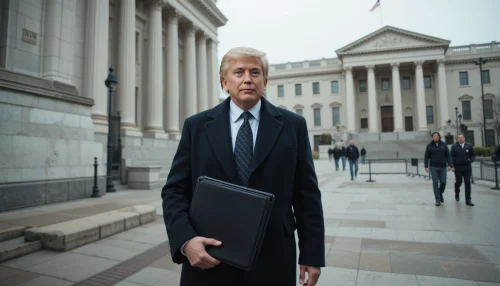
The settlement included three major elements.
First, Trump and the other plaintiffs were to receive a formal apology but no direct monetary payment from the settlement itself.
Second, the plaintiffs agreed to dismiss the IRS lawsuit with prejudice and withdraw pending agency claims by the stated deadlines in the settlement.
Third, the DOJ announced the creation of a $1.776 billion Anti-Weaponization Fund, funded through the federal Judgment Fund. The DOJ said the fund would have power to issue formal apologies and monetary relief to eligible claimants, would report quarterly to the Attorney General, and would stop processing claims no later than 1 December 2028.
Is the $1.8 Billion Fund Still Going Ahead?
As of the latest reported update, the Trump administration said it was not moving forward with the nearly $1.8 billion fund. Reuters reported that Acting Attorney General Todd Blanche told lawmakers on 2 June 2026 that the administration was abandoning the fund after backlash, while also saying the agreement barring future audits of Trump family past tax records would remain in place.
That distinction matters. The fund and the tax-audit protection issue are related to the same settlement controversy, but they are not identical. One concerns possible payouts to third-party claimants; the other concerns whether the IRS may examine Trump-related past tax filings.
Why Is the Settlement Controversial?
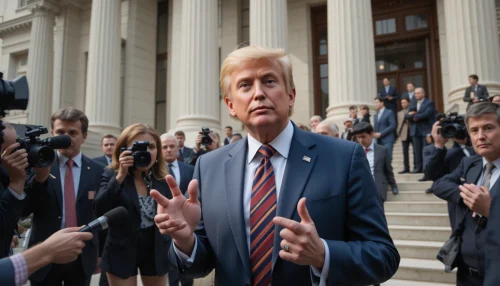
The settlement has drawn scrutiny because Trump was both the plaintiff in a personal-capacity lawsuit and the sitting president overseeing the executive branch agencies involved in the case. Critics argue that this creates serious conflict-of-interest concerns.
The tax-audit provision is especially sensitive because the addendum appears to restrict the government from pursuing examinations or related reviews involving covered past tax returns. The Associated Press reported that the government said the settlement applied to existing audits rather than future examinations, but the broader language in the addendum led to significant legal and political backlash.
A federal judge later ordered review of the settlement after 35 retired federal judges questioned whether the agreement involved collusion or improper use of the courts. Reuters reported that the judge asked Trump’s lawyers to respond to concerns about the settlement’s legitimacy.
What Does This Mean for Ordinary Taxpayers?
For ordinary taxpayers, the DOJ Trump tax lawsuit settlement does not change standard tax filing duties, IRS reporting obligations or normal audit rules.
Taxpayers are still required to file accurate returns, pay tax due and respond to lawful IRS notices. The case is important because it raises wider questions about tax privacy, audit independence and whether politically powerful individuals can receive different treatment from the tax system.
The broader legal issue is whether government agencies can settle claims in a way that appears to restrict future tax enforcement involving specific people or entities. That question remains politically and legally sensitive.
Why is Tax Privacy Central to the Case?

Tax privacy is one of the strongest parts of the legal background. 26 U.S.C. § 6103 is designed to protect the confidentiality of tax returns and return information, while allowing disclosure only under defined legal exceptions.
That is why the alleged leak matters. Even critics of the settlement generally accept that unauthorised disclosure of tax information is a serious issue. The dispute is not only about whether tax information should be protected, but also about whether the settlement response went too far.
What Is the Judgment Fund?
The DOJ said the Anti-Weaponization Fund would come from the federal Judgment Fund. The U.S. Bureau of the Fiscal Service describes the Judgment Fund as a mechanism that pays certain court judgments and compromise settlements of lawsuits against the federal government.
That funding route became a major point of criticism because opponents questioned whether a broad fund for non-party claimants had a strong enough connection to the Trump IRS lawsuit.
Final Takeaway
The DOJ Trump tax lawsuit settlement is best understood as a high-stakes legal and tax-governance dispute, not simply a personal tax case. The confirmed facts are that Trump and related plaintiffs settled their IRS lawsuit, received a formal apology rather than direct damages, and the DOJ initially announced a $1.776 billion fund tied to the agreement. The most controversial unresolved issue is the settlement language affecting IRS scrutiny of past Trump-related tax filings.